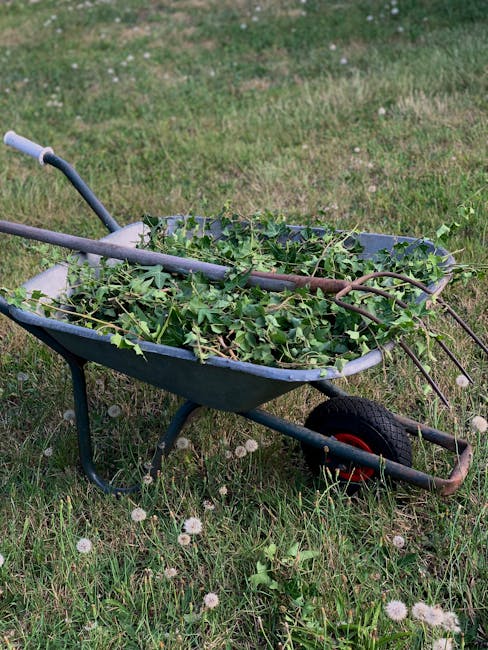
Real cost of emergency garden clearance Mayfair gardeners: what you actually pay for, and why
If your garden has suddenly become a problem, you probably do not want theory. You want to know the real cost of emergency garden clearance Mayfair gardeners can provide, what drives the price up, and how to avoid paying over the odds when time is tight. Maybe a storm dropped branches overnight. Maybe a tenant moved out and left a jungle behind. Or maybe you simply need the space back, fast. Whatever the trigger, emergency clearance is usually less about "garden tidying" and more about speed, access, waste removal, and safe labour on the day.
In Mayfair, that last bit matters. Tight access, parking limitations, neighbouring properties, and the simple fact that a quick turnaround often means extra coordination can all affect the final bill. This guide breaks the whole thing down in plain English so you can make a sensible decision without second-guessing every line item.
To help you compare your options, this article also points you to useful pages such as services overview, garden clearance, and pricing and quotes where relevant. Let's get into the numbers, the hidden costs, and the practical stuff people only usually learn the hard way.
- Why the real cost matters
- How emergency garden clearance works
- Key benefits and practical advantages
- Who needs emergency clearance
- Step-by-step guidance
- Expert tips for better results
- Common mistakes to avoid
- Tools, resources and recommendations
- Law, compliance, standards and best practice
- Options, methods and comparison
- Case study or real-world example
- Practical checklist
- Frequently asked questions
Why Real cost of emergency garden clearance Mayfair gardeners Matters
The "real cost" is not just the invoice total. It is the full picture: time saved, mess removed, waste disposed of properly, and the risk avoided by getting in the right people quickly. In an emergency, a cheap quote can look attractive, but if it does not cover labour, loading, disposal, or access complications, the final number can climb. Fast.
That is especially relevant in Mayfair, where a garden clearance job may be small in square footage but awkward in practice. A side passage that seems manageable on a photoshoot can be a nightmare with heavy bags of green waste. A quiet courtyard can have surprisingly tricky access. You get the idea.
There is also a quality angle. Emergency work often happens after damage, neglect, or a sudden change in plans. The garden may include wet waste, thorny cuttings, broken fencing, soil spoil, or bulky items that need extra handling. If you under-budget, you can end up delaying the job or compromising on the finish. That is rarely worth it.
Practical takeaway: the real cost is not "what does someone charge per hour?" It is "what does it take to make this garden safe, clear, and tidy today, with no awkward surprises later?"
How Real cost of emergency garden clearance Mayfair gardeners Works
Emergency clearance usually starts with a quick assessment, often based on photos or a short call. The gardener or clearance team will look at the volume of material, the type of waste, how urgent the deadline is, and whether access is straightforward. From there, they will estimate labour time, vehicle needs, disposal costs, and any extra equipment required.
In a normal clearance, scheduling is flexible. In an emergency, it is not. Same-day or next-day availability usually means the team reshuffles other work, which can affect pricing. That is fair enough. If someone is turning up quickly, with the right tools and enough hands, you are paying for responsiveness as much as labour.
The final cost often reflects a few main factors:
- Volume: more waste, more labour, more disposal.
- Access: stairs, narrow gates, basement courtyards, and long carries all add time.
- Urgency: same-day jobs usually cost more than scheduled visits.
- Waste type: green waste is different from mixed waste, timber, or soil.
- Site condition: overgrown, wet, unsafe, or debris-strewn gardens take longer.
- Loading and transport: multiple trips or special vehicle arrangements affect price.
If the job includes work beyond clearance, such as tree pruning, hedge reduction, or follow-on maintenance, it may be better to bundle services. A job that starts as a chaotic clear-out can sometimes be made much more efficient if you combine it with hedge trimming, lawn mowing, or longer-term garden maintenance.
Key Benefits and Practical Advantages
When done well, emergency clearance does more than make the space look better. It removes immediate pressure. That matters a lot when you are dealing with a landlord inspection, a sale, a move-out, a sudden weather event, or a garden that has become difficult to use safely.
Some of the biggest benefits are simple but powerful:
- Safety: you reduce trip hazards, blocked pathways, pest attraction, and unstable piles of waste.
- Speed: the property becomes usable again, often far faster than a DIY approach.
- Less stress: no hiring a van, no wrestling brambles, no multiple dump runs. Honestly, that alone can be worth a lot.
- Better presentation: useful if the property is being photographed, sold, let, or inspected.
- Proper waste handling: the job is cleared in a more organised and responsible way.
There is a practical upside people sometimes miss: a fast clearance can reveal underlying issues. Rotten timber, broken edging, drainage trouble, damaged decking, or hidden rubbish often become visible once the mess is gone. That is why many clients follow a clearance with work from decking services or broader landscaping if the space needs a proper reset.
Expert summary: the cheapest emergency clearance is not always the best value. The best value is usually the job that is done quickly, safely, and completely the first time.
Who This Is For and When It Makes Sense
Emergency garden clearance makes sense when the problem cannot wait. That may sound obvious, but people often delay too long because they hope the issue will sort itself out. It usually does not. Grass does not stop growing because the diary is full. Rain makes heavy waste heavier. And a cluttered garden tends to look even worse two days later.
This service is a good fit for:
- Homeowners who need a fast reset after a storm, move, or major neglect.
- Landlords and letting agents who need a property ready for viewings or handover.
- Property managers handling urgent site safety or presentation issues.
- Businesses or hospitality venues with external spaces that cannot be left untidy.
- People with limited time or mobility who cannot physically manage a difficult clearance themselves.
It also makes sense if the garden has become unsafe. Thick overgrowth, hidden debris, broken branches, or blocked access points can create a real nuisance. And yes, sometimes the "garden" is really more of a green storage unit at that point. We have all seen it.
If the work is not urgent but simply overdue, scheduled services may be a better fit. A sensible combination is often a one-off clearance followed by periodic garden maintenance so the same problem does not come back in six weeks. That is the boring answer, but it works.
Step-by-Step Guidance
If you want the real cost without the unpleasant surprises, a clear process helps. Here is how to approach it.
1. Describe the problem clearly
Be specific. Say whether it is green waste, broken branches, soil, old pots, or mixed debris. Mention if the garden is front, rear, basement, roof terrace, or courtyard. The difference matters more than most people think.
2. Send photos and note access
Good photos save time. Include wide shots and close-ups. Show gates, side passages, stairs, and the route to the exit point. A narrow Mayfair passage can turn a neat quote into a scramble if it was not mentioned upfront.
3. Ask what the quote includes
Does it include labour, loading, disposal, and sweeping up? Are there extra charges for heavy waste or urgent attendance? If anything feels vague, ask the awkward question now rather than after the van has arrived.
4. Confirm timing and crew size
Emergency jobs can depend on how many people are sent. Two people might be fine for a small, tidy clear-out. A larger or tangled garden may need more hands to finish in a useful timeframe.
5. Prepare the site
Move cars, unlock gates, and clear small items that do not need to be handled by the team. If you can do that safely, it often saves time.
6. Walk through the finished job
Before the team leaves, check the main access routes, corners, and hidden spots. A quick walkaround is worth it. Nobody enjoys finding a half-hidden pile behind a shed after the fact.
For readers comparing service choices, the services overview page is a useful way to understand how emergency clearance sits alongside other garden work. And if you are still at the budgeting stage, the pricing and quotes information helps you frame the right questions.
Expert Tips for Better Results
Here is where the small details save money. Not dramatic, just practical. In our experience, the most expensive emergency jobs are often the ones where nobody explained the access, the waste mix, or the urgency clearly enough.
- Take photos in daylight. Evening pictures can hide the real size of the job. A garden always looks more dramatic at dusk, and not in a helpful way.
- Separate obvious waste if you can do it quickly. Green waste, timber, and general rubbish may be charged differently.
- Ask about disposal before the job starts. This avoids disputes over skip-like volumes or extra handling.
- Be honest about time pressure. If you need it cleared before an inspection or delivery, say so. The planner needs the real deadline.
- Check whether follow-on work is needed. Clearance without maintenance can leave a tidy but unfinished garden.
- Look for a team that talks about safety. A reliable provider should be comfortable discussing access, manual handling, and proper disposal. You can see this kind of approach reflected in pages like insurance and safety and health and safety policy.
A small note from real-world experience: if a gardener gives you a quote that sounds too neat to be true, it sometimes is. No drama, just be cautious. A proper emergency job tends to have at least a couple of moving parts.
Common Mistakes to Avoid
Most avoidable overpayments happen before the team even arrives. The mistake is not always choosing the wrong provider. Often it is not giving enough information.
- Assuming all clearance is the same. A light tidy and a full emergency clearance are not remotely identical jobs.
- Ignoring access problems. Narrow side paths, locked gates, or long carries can change the cost materially.
- Forgetting mixed waste. Old furniture, broken planters, and soil are not the same as simple hedge cuttings.
- Choosing only on speed. Fast matters, but so does whether the quote is clear and complete.
- Not asking about waste removal. If disposal is not included, the bargain quote may evaporate.
- Skipping aftercare. A cleared garden left untouched can slide back quickly, especially in mild, wet weather.
Another common slip is trying to "help" by piling everything in one corner without separating obvious waste. That can slow things down, not speed them up. A tidy bit of prep is useful; chaotic rearranging, less so.
Tools, Resources and Recommendations
You do not need a full toolkit to prepare for an emergency clearance, but a few sensible steps make a big difference.
Useful things to have ready
- Photos of the full garden and access points
- A rough idea of what needs removing
- Any notes about parking or loading restrictions
- Gate codes or access instructions
- A clear sense of your deadline
Common equipment a clearance team may use
- Heavy-duty sacks
- Hand tools for cutting back overgrowth
- Rakes, spades, and pruning tools
- Wheelbarrows or transport aids for moving debris
- Protective gloves and safety equipment
If the garden includes tree waste, damaged limbs, or branches that cannot be managed safely as ordinary green waste, it may need specialist handling through tree lopping and removal. That is not something to guess at. If a branch is awkward, heavy, or partially fallen, it should be assessed properly.
For longer-term improvement, you might combine clearance with lawn mowing or broader landscape gardening once the space is reset. It is often easier to see the potential of a garden after the mess has gone. A bit obvious, maybe, but true.
Law, Compliance, Standards and Best Practice
Without turning this into a legal lecture, there are a few UK best-practice points that matter. Garden clearance work should be done safely, with appropriate handling of waste and care around hazards. Where waste is removed, responsible disposal is not just a nice extra; it is part of professional practice.
For customers, the main thing is to choose a provider that is open about how the job is handled. Good signs include clear pricing, sensible communication, and a willingness to explain safety procedures. If the work involves heavy lifting, awkward access, tools, or trees, that professionalism matters even more.
In practical terms, you should expect:
- Clear explanation of what is included
- Reasonable attention to safe access and manual handling
- Appropriate disposal of garden waste
- Respect for neighbouring properties and shared spaces
- Transparent handling of payment terms
It is also sensible to read the provider's policy pages where available. For example, the pages on payment and security, recycling and sustainability, and terms and conditions can tell you a lot about how the business operates, even before you pick up the phone.
Best practice in one sentence: choose a team that treats your garden like an actual site, not just a pile of green waste.
Options, Methods, or Comparison Table
Not every urgent garden problem needs the same solution. Sometimes a full emergency clearance is right. Sometimes a smaller intervention will do. Here is a straightforward comparison.
| Option | Best for | Typical strengths | Trade-offs |
|---|---|---|---|
| DIY clearance | Very small jobs with no urgency | Lowest direct spend if you already have time and tools | Slow, tiring, disposal can be awkward, and mistakes are easy |
| Scheduled garden clearance | Non-urgent overgrowth and tidy-ups | Usually better value and easier to plan | Not ideal if you need immediate action |
| Emergency garden clearance | Urgent, safety-related, or deadline-driven jobs | Fast response, reduced stress, professional handling | Higher cost due to urgency and coordination |
| Clearance plus maintenance | Gardens that need a reset and then upkeep | More sustainable long-term, fewer repeat problems | Costs more upfront, but often better overall |
In many Mayfair situations, the best outcome is not the cheapest single visit. It is the option that clears the issue now and prevents the same headache returning. That is especially true where access is tricky or the property has a high presentation standard to maintain.
Case Study or Real-World Example
A typical emergency call might come from a client who returns from a short trip to find the rear garden blocked by fallen branches, damp leaf build-up, and general clutter after a windy spell. The path to the back gate is half hidden, and the bins are hard to reach. Not dramatic in a cinematic sense, but enough to make the space unusable.
In a situation like that, the cost usually depends on four things: how much material needs removing, whether the branches are light or bulky, how easy it is to carry waste out, and whether the job needs to happen the same day. If the team can load directly from the garden without endless trips through a narrow house access, the price stays more contained. If not, the labour time grows quickly.
What changed the outcome in this kind of job was not just the clearance itself. It was the follow-up. Once the debris was removed, the team could identify a damaged fence panel and a patch of waterlogged ground that had been hidden before. The client then booked a second phase of work, rather than pretending it did not exist. Sensible, really.
That is the real value of emergency clearance in practice: it gives you a clean starting point. Sometimes that is all you need to make the next decision properly.
Practical Checklist
Use this before you book. It will save time and probably money too.
- Identify what needs clearing: green waste, branches, rubbish, soil, or mixed debris
- Take clear photos of the garden and access route
- Measure narrow gates or awkward passages if you can
- Check whether parking/loading is likely to be difficult
- Decide how urgent the job really is
- Ask what the quote includes and excludes
- Confirm whether disposal is part of the price
- Ask if any specialist work is needed, such as tree removal or hedge reduction
- Prepare the site by moving cars and unlocking access
- Walk through the completed job before the team leaves
If you are still comparing providers, the about us page can help you understand the team behind the service, while contact us is the obvious next step when you are ready to discuss a job. Straightforward, but useful.
Conclusion
The real cost of emergency garden clearance Mayfair gardeners provide is shaped by urgency, access, volume, waste type, and how much preparation the site needs before the work even begins. Once you understand those moving parts, the pricing starts to make sense. More importantly, you are less likely to overpay for speed you did not actually need, or underpay for a job that ends up being more complicated than expected.
The best approach is usually simple: be clear, be honest about the urgency, share good photos, and choose a provider who explains the quote properly. That way, you get the garden back in shape without the awkward surprises. And on a busy day in Mayfair, that calm, tidy result can feel like a small victory. Sometimes that is enough.
Get a free quote today and see how much you can save.
When the mess is gone and the space is breathing again, the whole property feels lighter. That matters more than people expect.
Frequently Asked Questions
How much does emergency garden clearance usually cost in Mayfair?
The real cost depends on access, waste volume, urgency, and the type of material being removed. A small clear-up with easy access will usually cost less than a same-day job involving bulky waste or awkward carrying routes.
Why is emergency garden clearance more expensive than a standard visit?
Because it often requires rearranging schedules, sending a crew quickly, and dealing with whatever is on site without much notice. You are paying for speed, coordination, and immediate availability as well as labour.
What affects the final price the most?
The biggest factors are usually how much needs clearing, how difficult the access is, whether the waste is mixed, and whether disposal is included. Same-day timing can also change the quote quite a bit.
Can I reduce the cost before the team arrives?
Yes. Clear access routes, share good photos, separate obvious waste if practical, and explain the job clearly. A tidy, honest briefing often saves time and avoids surprise charges.
Is same-day garden clearance always possible?
Not always. It depends on crew availability, location, and the size of the job. Smaller urgent jobs are easier to fit in than large or heavily overgrown clearances.
Do I need to be at the property during clearance?
It is often helpful, especially for emergency work, because questions can come up about access, waste types, or hidden areas. If you cannot be there, clear instructions and photos become even more important.
What if the garden includes fallen branches or tree waste?
That may need extra handling or specialist care, depending on size and condition. If the material is heavy, unstable, or partially attached, it should be assessed properly rather than rushed.
Will the quote usually include waste disposal?
It should be made clear in the quote. Always ask. Disposal is a major part of the real cost, and unclear pricing can create problems later.
Is emergency clearance suitable for landlords or letting agents?
Yes, especially when a property needs to be made presentable or safe quickly. It is a common choice when access, inspections, or handover dates are looming.
Should I book maintenance after the clearance?
Often yes. A one-off clear-out solves the immediate problem, but maintenance helps prevent the same mess returning. It is usually the smarter long-term move if the garden has a habit of running away with itself.
How do I know if a quote is fair?
A fair quote should explain the labour involved, the waste type, the urgency, and any access issues. If the price is vague or unusually low without explanation, ask for more detail before agreeing.
What is the best next step if my garden needs urgent attention?
Gather a few photos, note access issues, and request a clear quote as soon as possible. If you want to explore the wider service range first, the services overview and garden clearance pages are a sensible place to start.