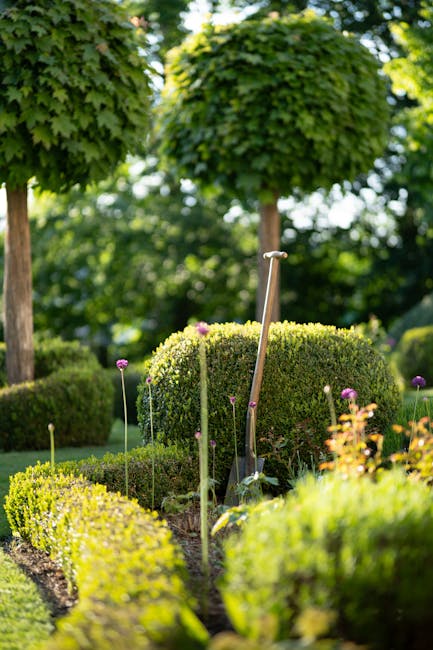
Berkeley Square gardeners for private garden maintenance

If you're looking for Berkeley Square gardeners for private garden maintenance, you're probably after more than a quick tidy-up. Private gardens in this part of London tend to need careful, regular attention: crisp edges, healthy planting, discreet working methods, and a level of consistency that matches the property itself. Truth be told, a garden can look calm and effortless only because someone has been quietly keeping on top of it all year.
This guide explains what private garden maintenance actually involves, how a good service works, what to expect from a professional team, and how to choose the right approach for your space. Whether you manage a townhouse garden, a shared courtyard, or a larger hidden plot behind the railings, the same principle applies: good maintenance protects the garden's structure, appearance, and long-term health.
We'll also cover practical decisions, common mistakes, and the small but important details that often get missed. Because in a place like Berkeley Square, it's usually the details that make the difference.
Why Berkeley Square gardeners for private garden maintenance Matters
Private gardens around Berkeley Square often face a very specific set of pressures. They may be sheltered, but they're rarely simple. There can be shade from mature trees, limited access through narrow side passages, wind tunnels between buildings, and planting that needs regular correction rather than occasional rescue. The wrong kind of maintenance can quickly make a beautiful garden look tired, overgrown, or strangely empty.
That's why experienced gardeners matter. Not just anyone with shears and a mower, but people who understand the rhythm of a private urban garden. In practice, this means noticing what's changing week by week. A box hedge that looked fine in March can start to unravel by June. A lawn can become patchy from footfall. Pots dry out much faster than people think on a bright terrace afternoon, especially if the sun bounces off surrounding stone. Small things, yes, but they add up.
There's also the matter of presentation. A private garden is often part of how a home feels. It frames entertaining, quiet mornings, family life, or simply the view from the kitchen window. And let's face it, no one enjoys seeing a neat property let down by ragged borders or a lawn full of moss. Regular maintenance keeps the garden usable, tidy, and pleasant to spend time in, which is the point really.
If you want broader support for outdoor improvements beyond routine care, it can help to look at a provider's wider capability too. Services such as services overview or specific work like landscape gardening can be useful when a garden needs more than maintenance alone.
How Berkeley Square gardeners for private garden maintenance Works
Good maintenance starts with observation. A proper gardener will usually begin by walking the garden, checking condition, identifying growth patterns, and noting any immediate issues. They'll look at the lawn, hedging, pruning needs, plant health, soil condition, drainage, access, and whether the current layout still suits how you use the space.
From there, maintenance becomes a routine, not a one-off scramble. Depending on the garden, this may include weekly or fortnightly visits, seasonal pruning, lawn care, deadheading, weeding, feeding, clearance, and light shaping. Some gardens need a more intensive spring reset and then lighter summer touch-ups. Others need nearly constant attention because the planting is bold and fast-growing. There isn't a single formula. A good gardener works with the garden, not against it.
A typical service might involve:
- mowing and edging lawns
- hedge trimming and shaping
- border weeding and cultivation
- deadheading and selective pruning
- planting replacements or seasonal refreshes
- clearing leaves, fallen twigs, and debris
- checking irrigation or watering needs
- removing green waste responsibly
In many private gardens, the best results come from consistency. Not dramatic intervention. A bit unglamorous, perhaps, but very effective. You avoid the stop-start cycle where things get overgrown, then cut back too hard, then struggle to recover. That cycle is more common than people admit.
If your garden needs extra tidy-up work before maintenance can really begin, a linked clearance service such as garden clearance may be the sensible first step.
Key Benefits and Practical Advantages
There's a clear difference between a garden that is maintained and one that is merely visited now and again. Regular professional care gives you control, continuity, and a much better finish. It also saves time, which in central London is not exactly in endless supply.
Here are the main advantages of having dedicated Berkeley Square gardeners for private garden maintenance:
- Better plant health: Regular pruning, feeding, and observation help plants stay balanced and less stressed.
- A consistently smart appearance: The garden looks presentable week after week, not just after a last-minute tidy.
- Fewer costly problems: Small issues like weeds, pests, or poor drainage are easier to manage early.
- More usable outdoor space: A well-kept garden is more inviting for sitting out, entertaining, or simply enjoying the view.
- Reduced pressure on homeowners or property staff: Maintenance becomes planned, not reactive.
- Better seasonal transitions: Spring, summer, autumn, and winter work are all handled with the right timing.
One understated benefit is peace of mind. You know the garden won't suddenly look neglected after a week of rain or a burst of warm weather. Anyone who has watched climbers take off in early June will understand this. They do not wait politely.
For gardens where lawn condition matters, routine care can be paired with lawn mowing and trimming services to keep the whole space looking sharp, not just "mostly fine from a distance".
Who This Is For and When It Makes Sense
This kind of maintenance is a good fit for homeowners, landlords, property managers, estate staff, and anyone responsible for a private garden that needs a polished finish. It also makes sense for people who use the garden regularly and don't want weekend maintenance to become a second job.
It's especially relevant if your garden:
- is visible from main living spaces or reception rooms
- has established planting that needs careful handling
- contains topiary, hedges, or formal borders
- has limited access or awkward working conditions
- needs year-round presentation for guests or tenants
- has struggled with inconsistent upkeep in the past
There are also moments when private maintenance becomes less of a luxury and more of a practical necessity. After a long holiday. Before hosting. Following seasonal growth spurts. Or after a period where the garden has simply been ignored. No judgement there. It happens.
If the garden includes mature trees or areas that are starting to dominate, it may also be worth exploring tree lopping and removal where appropriate, or asking for guidance on how that work fits into the wider maintenance plan.
Step-by-Step Guidance
If you're setting up private garden maintenance for a Berkeley Square property, a sensible process helps avoid confusion later. Here's a practical way to approach it.
1. Assess the garden honestly
Start with what is actually there, not what you hope is there. Look at lawn condition, hedge structure, plant health, drainage, litter, access points, and any areas that need repair or renovation. A quick walk-through at different times of day can reveal a lot. Morning shade, lunchtime sun, and evening damp all affect how a garden behaves.
2. Decide what level of maintenance you need
Some gardens need simple routine care. Others need a more detailed service that includes pruning schedules, seasonal planting, and occasional specialist work. If the garden is formal, the margin for error is small. If it is more relaxed and wildlife-friendly, the maintenance pattern can be lighter but still must be regular.
3. Agree the priorities
Not everything can be done at once. Be clear about the non-negotiables: lawn edging, hedge lines, border weed control, planter care, or seasonal tidy-ups. If the garden has one feature that defines it, such as a clipped hedge or a long border, make sure that gets the attention it deserves.
4. Set the visit frequency
Weekly, fortnightly, or seasonal visits each suit different gardens. In a fast-growing urban setting, many private gardens benefit from regular short visits rather than infrequent long ones. That way the gardener can stay ahead of the growth instead of constantly catching up.
5. Build in seasonal tasks
A good maintenance plan is not static. Spring and autumn usually call for more structured work, while summer may need watering and deadheading, and winter may focus on pruning and protection. The garden changes, so the plan should too. Simple enough, but easily overlooked.
6. Review and refine
After a few visits, check whether the service is matching the garden's needs. Are the borders staying tidy? Is the lawn improving? Are plants being pruned at the right time? Good maintenance is iterative. It should get better once the team understands the space.
Expert Tips for Better Results
A well-run private garden often comes down to quiet discipline rather than dramatic gestures. Here are some practical tips that make a real difference.
- Keep a simple garden record. Note pruning dates, bulb locations, planting changes, and any recurring problem areas. Even a small notebook helps.
- Don't overcut hedges or shrubs. Heavy cuts can leave scars or create bare patches that take ages to recover. Light, regular shaping is usually better.
- Watch watering carefully. Pots, raised beds, and south-facing areas can dry out fast. A garden can look wet after rain but still be dry under the foliage. Sneaky little thing, that.
- Think in layers. Formal structure, mid-height planting, and groundcover all work together. If one layer fails, the whole composition feels off.
- Allow for access. A service is smoother when tools, water points, and waste routes are easy to reach.
- Use each season properly. Spring is for shaping and establishing; summer is for maintenance and control; autumn is for clearing and preparing; winter is for structure and planning.
If you're aiming for a more secluded feel without overbuilding the space, plant structure can help a lot. Ideas such as layered screens, tall containers, and strategic foliage can support privacy and atmosphere. There's a useful discussion of that approach in tall potted plants for creating a private outdoor oasis.
One more thing: be realistic about what the garden can support. Not every plant belongs in every spot. Sun, shade, root competition, and wind all have opinions, unfortunately.
Common Mistakes to Avoid
Even well-intentioned owners sometimes make the same mistakes when arranging private garden maintenance. The good news? Most of them are easy to avoid once you know what to look for.
- Waiting too long between visits. Small jobs become big jobs fast, especially in mild weather.
- Focusing only on the visible parts. A neat front terrace can hide weeds, poor drainage, or overgrown back borders.
- Pruning at the wrong time. Some plants tolerate it, others do not. Timing matters more than people think.
- Choosing maintenance that is too light for the garden. A formal space handled like a low-maintenance courtyard will soon show it.
- Ignoring waste and disposal. Cuttings, leaves, and arisings need a proper plan or the garden quickly feels cluttered.
- Expecting instant recovery. A neglected garden usually improves in stages. Patience helps. A lot.
There's also a subtle mistake many people make: trying to keep every plant alive at all costs. Sometimes the better decision is to replace a struggling specimen with something better suited to the site. It sounds harsh, but gardens are living systems, not museum exhibits.
Tools, Resources and Recommendations
The right tools make maintenance cleaner, safer, and more efficient. Professional gardeners typically rely on quality equipment rather than pushing through with blunt or underpowered tools, which sounds obvious but is worth saying anyway.
Common tools and resources include:
- sharp secateurs for pruning and deadheading
- hedge trimmers for formal edges and larger shrubs
- mowers suited to the size and texture of the lawn
- gloves, kneelers, and hand tools for border work
- sprayers or watering equipment for targeted care
- waste bags or bins for clearing cuttings and debris
- simple site notes for seasonal tasks and recurring issues
For properties that need a broader care package, it can help to combine maintenance with related services. For example, hedge work may be easier to schedule with hedge trimming, while larger layout changes may point towards landscaping or decking support if the garden is being reworked.
If you are comparing providers, review practical matters as well as appearance. Ask how green waste is handled, whether the team understands privacy-sensitive sites, and how they manage seasonal changes. A polished outfit on paper is nice, but reliability on a wet Tuesday afternoon matters more.
Law, Compliance, Standards, or Best Practice
Garden maintenance in London is not usually heavily regulated in the way some trades are, but there are still sensible standards to follow. Safe working practice, proper insurance, appropriate waste handling, and respect for neighbouring properties all matter. In a dense area like Berkeley Square, the practical side of compliance is mostly about competence and care.
Best practice usually includes the following:
- Insurance: Any professional team working on-site should have appropriate cover in place.
- Health and safety: Tools, ladders, machinery, and electrical equipment must be used responsibly.
- Waste handling: Green waste should be removed or recycled appropriately, not dumped awkwardly in the corner for later.
- Neighbour consideration: Noise, access, and working times should be handled sensitively in residential and mixed-use areas.
- Property care: Paths, walls, pots, lighting, and fixtures should be protected during work.
It also helps to ask about environmental practice. Some clients want clippings composted or recycled, while others care about reduced waste and gentler products. If sustainability matters to you, check whether the provider can explain how they handle it in everyday work, not just in theory. A practical note on this is often more useful than a glossy promise.
You can also review a provider's own site policies for reassurance. Pages such as health and safety policy, insurance and safety, recycling and sustainability, and about us can give useful context about how they operate.
Options, Methods, or Comparison Table
Not every garden needs the same style of care. Choosing the right method depends on how formal the space is, how much time you have, and what kind of finish you want to protect.
| Approach | Best for | Advantages | Watch-outs |
|---|---|---|---|
| Weekly maintenance | Formal private gardens, high-visibility spaces, fast-growing planting | Best consistency, fewer surprises, polished presentation | Higher ongoing commitment, requires strong coordination |
| Fortnightly maintenance | Moderately sized gardens with stable planting | Balanced cost and upkeep, enough to stay ahead of growth | Can be too slow in peak growing periods |
| Seasonal maintenance | Low-use gardens or properties needing periodic care | Suitable for lighter budgets, useful for clear seasonal tasks | Less control between visits, more catch-up work later |
| Project-plus-maintenance | Gardens needing both restoration and ongoing care | Improves structure before routine work begins | Requires good planning and a clear scope |
If the garden is already in good condition, regular maintenance is usually enough. If it has become tired or overgrown, you may need one corrective phase first. That's often the honest answer, even if it's not the most exciting one.
Case Study or Real-World Example
Imagine a private courtyard-style garden near Berkeley Square with a small lawn, clipped hedging, several planters, and a shaded rear corner that never quite dries out. It looks simple from the terrace doors, but in practice it needs attention every couple of weeks. The hedges are quick to soften at the edges, the pots dry out in warm weather, and fallen leaves collect in the shade like they've paid rent.
At first, the owner only wants a "general tidy." But once the garden is assessed, it becomes clear that the space needs a proper routine: lawn mowing on a regular cycle, light hedge trimming, careful pruning of the planting around the seating area, and a plan for drainage-prone corners. After a few visits, the garden becomes easier to manage, and the owner stops needing emergency tidy-ups before entertaining.
That's the real value of professional maintenance. Not drama. Not transformation for its own sake. Just a garden that stays pleasant, useful, and quietly well kept. The kind of result that seems effortless, even though it absolutely isn't.
Practical Checklist
Use this checklist before arranging Berkeley Square gardeners for private garden maintenance:
- Confirm what areas need routine care and what needs repair or clearance
- Decide how often the garden should be visited
- List the priority tasks: lawn, hedge, borders, pruning, pots, waste removal
- Check access, water supply, and storage for tools or waste
- Ask how seasonal changes will be handled across the year
- Confirm insurance, safety, and waste disposal practices
- Review whether extra services may be needed for a fuller result
- Agree how progress and issues will be communicated
- Plan for peak growing periods, not just quiet months
- Reassess the garden after the first few visits
Expert summary: the best private garden maintenance is regular, discreet, and tailored to the site. It keeps the garden looking composed without making a fuss about itself, which is exactly what most Berkeley Square properties need.
Conclusion
Berkeley Square gardeners for private garden maintenance bring together horticultural care, practical routine, and a real understanding of how central London gardens function day to day. The best service is not just about keeping things tidy. It's about protecting structure, improving plant health, and making sure the garden feels considered in every season.
Whether your space is formal, compact, or tucked away behind a property that sees plenty of use, the right maintenance approach can make life noticeably easier. You get a garden that looks cared for, behaves better through the seasons, and asks less of you in return. Which, frankly, is the ideal.
If you're comparing options, start with the needs of the garden itself, then choose the level of support that matches it. A little consistency goes a long way.
Get a free quote today and see how much you can save.
And if you're still weighing things up, that's fine too. A good garden rewards careful planning, and the right start makes everything feel simpler after that.
Frequently Asked Questions
What do Berkeley Square gardeners for private garden maintenance usually include?
It usually includes routine tasks such as lawn mowing, hedge trimming, weeding, border care, deadheading, light pruning, and seasonal tidy-ups. Some gardens also need watering support, planting refreshes, or waste removal.
How often should a private garden be maintained?
That depends on the planting, size, and how formal the garden is. Weekly or fortnightly visits are common for gardens that need a crisp finish, while some spaces can be managed seasonally if growth is slower.
Is private garden maintenance different from general gardening?
Yes, usually. Private maintenance tends to be more discreet, more consistent, and more focused on presentation. It often involves working around the client's schedule, privacy, and the specific look of the property.
Do I need both maintenance and landscaping?
Not always. If the garden already has a good layout, maintenance may be enough. If the space needs structural changes, new planting, or a redesign, landscaping may be the better starting point.
What should I ask before hiring a gardener?
Ask about visit frequency, services included, waste handling, insurance, seasonal work, and how they deal with access or special features. It also helps to ask how they handle gardens that need a bit of rescue first.
How do I know if my garden needs a one-off clearance first?
If the garden is heavily overgrown, cluttered with cuttings, or difficult to assess properly, clearance may be needed before routine maintenance can begin. A first visit should make that clear fairly quickly.
Can maintenance help improve a tired-looking garden?
Yes, often. Regular maintenance can improve shape, balance, and plant health, and it can reveal what the garden actually needs. Sometimes the biggest improvement comes from consistent care, not major change.
What are the most common mistakes people make with private gardens?
Waiting too long between visits, cutting back too hard, ignoring seasonal timing, and underestimating how quickly a garden grows are all common. Another one is assuming a neat front view means the whole garden is under control.
Should I choose weekly or fortnightly visits?
Weekly visits suit formal or fast-growing gardens. Fortnightly can work well for balanced spaces that don't need constant correction. The right choice depends on how visible the garden is and how much detail matters.
Are there compliance issues I should be aware of?
There usually aren't complex legal hurdles for ordinary garden maintenance, but you should still expect proper insurance, safe working practices, responsible waste handling, and respect for neighbours and property boundaries.
Can garden maintenance be environmentally considerate?
Yes. A good service can reduce waste, recycle green material where practical, and avoid unnecessary disturbance. If sustainability matters to you, ask how they approach clippings, watering, and product use.
What if I want privacy as well as maintenance?
That can be planned for. Layered planting, screening, and well-placed containers can improve privacy while keeping the garden attractive. It's a common request in London gardens, and it can work very well.